

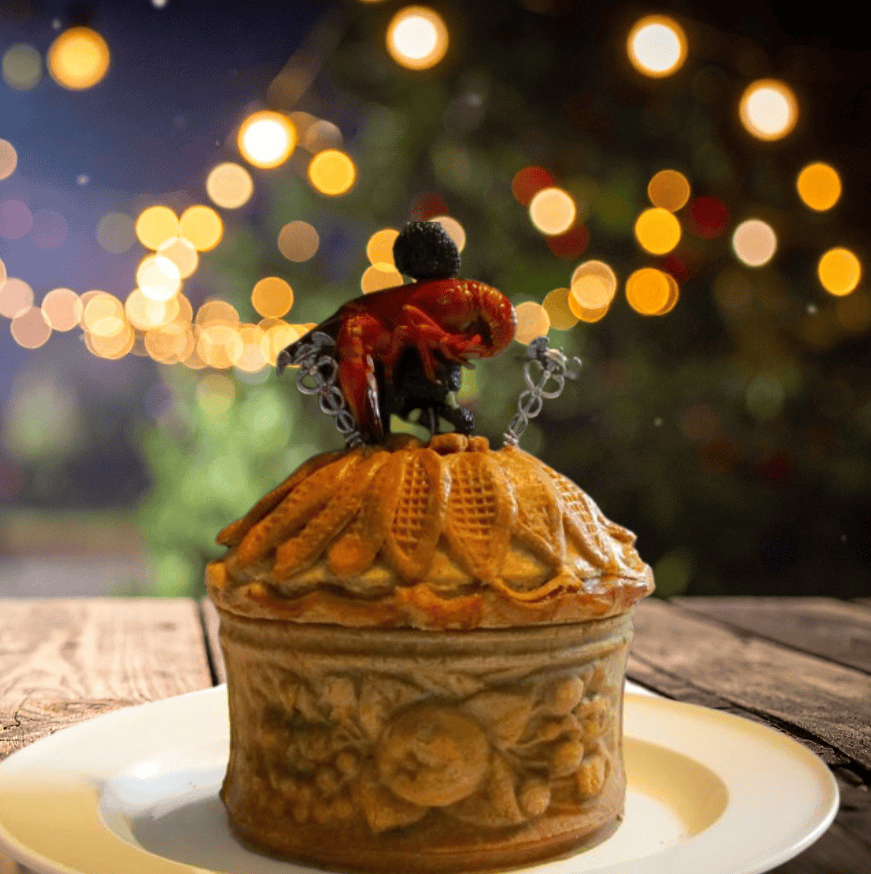
Long before turkey and trimmings became the centerpiece of Christmas, midwinter gatherings were marked by survival and celebration. From Neolithic feasts of roasted and beef stew to medieval banquets of roasted peacock and venison, the earliest Christmas dinners tell a story of community, abundance, and tradition evolving through the ages.
Ancient & Medieval Origins
- Neolithic Midwinter (Pre-Christmas): Archaeological evidence at Durrington Walls near Stonehenge suggests ancient people feasted on roasted pork and beef stews cooked in large pots. They also consumed wild foods like crab apples, hazelnuts, and blackberries.
- Medieval England: The wealthy enjoyed elaborate displays of roasted peacock (served with its feathers re-attached), boar’s head stuffed with spices, and venison. Monks often indulged in pies made of offal and meat served in heavy gravy, potentially consuming up to 7,000 calories a day during the holiday.
- Commoners' Fare: Most people ate a thick vegetable and grain stew called pottage or shared a large meat pie. They used thick slices of bread, called trenchers, as plates; the meat-soaked bread was often given to the poor after the meal.
The Renaissance & Tudor Period
- Introduction of Turkey: Turkeys first arrived in England in the 1500s and were initially an exotic delicacy for the upper class.
- The Christmas Pie: A popular Tudor dish involved a pigeon stuffed inside a partridge, inside a chicken, inside a goose, inside a turkey, all baked in a thick pastry case called a "coffin".
- Mince Pies & Puddings: Original mince pies were savoury, containing minced beef or mutton and suet mixed with spices and dried fruits. Christmas pudding began as plum porridge, a gelatinous mixture of beef shin, spices, sugar, and fruit.
17th-Century Extravagance
- 1660 Menu: A famous published menu for nobility included 39 dishes across two courses. Highlights included:
- Main Course: Roast swan, kid with a pudding in its belly, steak pie, and turkey stuck with cloves.
- Side Dishes: Oysters, "grand salads," and stewed mutton broth with marrow bones.
- Dessert: Oranges, lemons, jellies, and tarts filled with preserved fruits.
Evolution to Modern Dinners
- Victorian Era: This period shifted Christmas toward a more intimate, family-centered meal. Goose was the most common main dish, while the wealthy preferred roast beef or turkey. Vegetables like sprouts, carrots, and potatoes became staples.
- Early American Settlers: While some Puritans banned Christmas, those who celebrated kept traditions of roasted meats and pies. By the late 1700s, meals at grand estates like George Washington's Mount Vernon included suckling pig, rockfish, and numerous fruit pies.
From the fires of Neolithic feasts to the grandeur of medieval banquets and the cozy family tables of today, Christmas dinner has always been more than a meal — it’s a reflection of community, culture, and celebration. Whether it’s lobster on the Maine coast, roast turkey in the Midwest, or goose in Victorian England, the spirit remains the same: gathering together, sharing abundance, and carrying forward traditions that warm us through the winter.